Introduction:
Reiki, an ancient Japanese recovery technique, has actually acquired significant appeal in the last few years. Practitioners think that by using specific hand positions and symbols, they can transport energy to promote healing and balance in the body. In this article, we will delve into the secrets behind Reiki symbols, exploring what they are and how they work. From understanding the history of Reiki to exploring its different levels and hand positions, we will uncover the secrets behind this effective practice.
Unveiling the Mysteries Behind Reiki Symbols: What They Are and How They Work
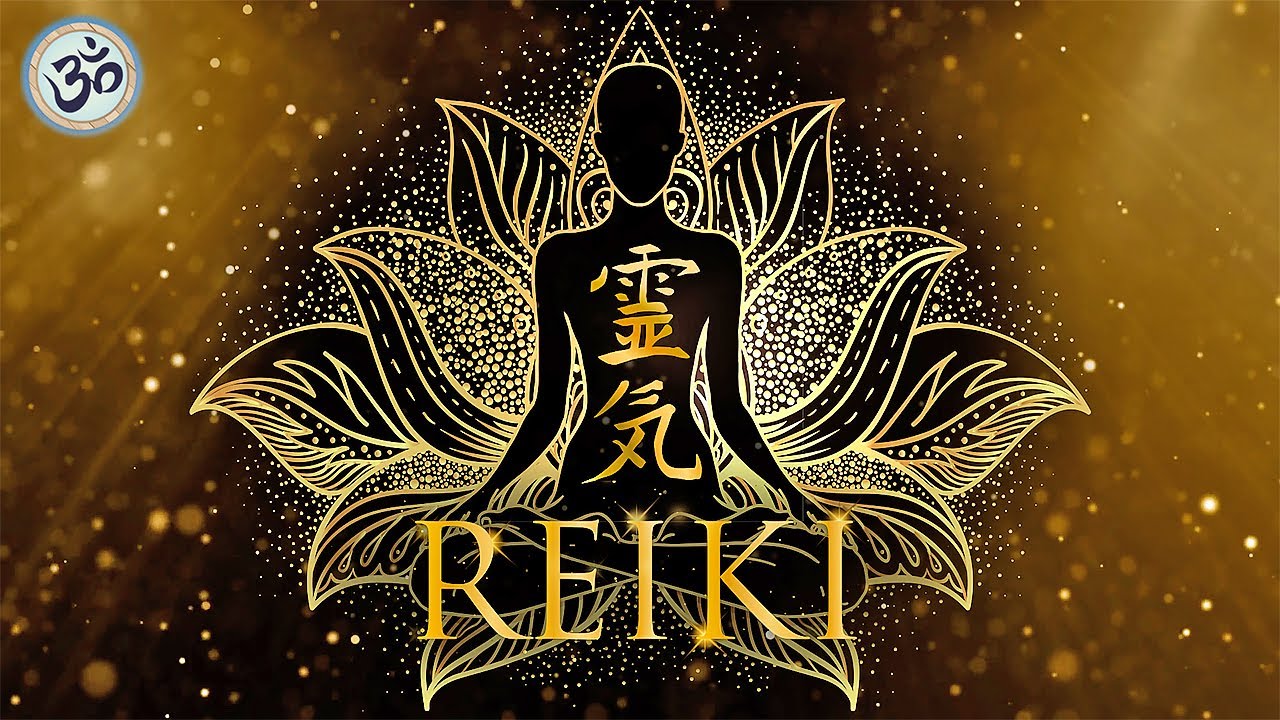
Reiki symbols play a vital function in this energy healing method. They act as entrances to specific frequencies of energy, enabling professionals to take advantage of the universal life force energy and direct it for healing purposes. These signs are graphes of different aspects of energy and consciousness, each holding special meanings and functions.

The History of Reiki Symbols:
To truly comprehend the mysteries behind Reiki signs, it is necessary to delve into their history. Reiki was developed by Mikao Usui in Japan during the early 20th century. Usui discovered ancient Sanskrit signs while studying Buddhist texts and included them into his healing practice.
The initial signs used by Usui were referred to as "Jumon" or "Kotodama," which implies "sacred noises" or "spiritual words." These symbols were thought to have extensive spiritual power and were used to conjure up specific energies for healing purposes.
The Three Reiki Signs:
There are three primary symbols used in conventional Usui Reiki: Cho Ku Rei, Sei Hei Ki, and Hon Sha Ze Sho Nen.
Cho Ku Rei: Cho Ku Rei is among the most commonly used symbols in Reiki. It is typically referred to as the "power symbol" and is used to increase or enhance the flow of energy. This symbol is thought to enhance the recovery properties of Reiki, making it more effective.
Sei Hei Ki: Sei Hei Ki is called the "mental/emotional symbol." It is typically utilized to promote psychological recovery and balance. This sign is thought to assist release negative emotions, traumas, and obstructions from the body and mind.
Hon Sha Ze Sho Nen: Hon Sha Ze Sho Nen is thought about the "distance recovery sign." It enables specialists to send out Reiki energy throughout time and space, enabling remote healing sessions. This sign is utilized when sending out energy to individuals who are not physically present.
How Reiki Symbols Work:
Reiki symbols work on a vibrational level, connecting practitioners to specific frequencies of energy. When a practitioner imagines or draws a symbol, it produces a bridge between their mindful mind and the universal life force energy. This Additional info connection permits them to gain access to and direct this energy for healing purposes.
The symbols act as secrets that unlock various elements of energy, making it possible for practitioners to tap into their recovery properties. By concentrating on a particular sign throughout a Reiki session, the professional can carry the corresponding energy and direct it towards areas of imbalance or dis-ease in the body.
Reiki Hand Positions:
In addition to using signs, Reiki likewise includes particular hand positions. These hand positions are utilized by specialists to assist in the flow of energy throughout the body. By positioning their hands on or near specific areas, they can move healing energy to those areas.
Some common Reiki hand positions consist of:
These hand positions are used in combination with signs to enhance the healing impacts of Reiki.
The Different Levels of Reiki:
Reiki is divided into a number of levels, each building upon the previous one and deepening the practitioner's understanding and connection to Reiki energy. The most typical levels of Reiki are:
Reiki Level 1: Reiki Level 1 concentrates on self-healing and finding out the fundamental hand positions and symbols. Practitioners at this level primarily deal with themselves and their instant surroundings.
Reiki Level 2: Reiki Level 2 introduces specialists to the use of symbols for distance healing and amplifying energy. It broadens their ability to send recovery energy beyond physical boundaries.
Reiki Level 3 (Master Level): Reiki Level 3, likewise called the Master level, is for those who wish to end up being Reiki Masters and teach others. At this level, professionals get a much deeper understanding of Reiki signs and their applications.
Frequently Asked Concerns about Reiki Symbols:
What do Reiki symbols represent?- Reiki signs represent different elements of energy and consciousness, permitting practitioners to access specific frequencies of recovery energy.
- Yes, anybody who has received proper training in Reiki can utilize these symbols effectively.
- Yes, attunement is an essential part of discovering how to use Reiki signs correctly.
- While it is possible to experiment with Reiki symbols, appropriate training ensures that you utilize them safely and effectively.
- Absolutely! Reiki signs are typically used for self-healing practices and promoting general well-being.
- The time it takes to master Reiki signs varies from person to individual. Constant practice and devotion are key to deepening your understanding and connection to these symbols.
Conclusion:
Reiki symbols hold immense power and capacity for healing. They function as gateways to specific frequencies of energy, allowing specialists to tap into the universal life force energy and direct it for healing purposes. By understanding the history, various levels, hand positions, and applications of Reiki signs, we can unlock their mysteries and harness their transformative capabilities. Whether you want to become a Reiki practitioner or simply check out the world of energy recovery, finding out about these signs is an interesting journey that can lead to profound individual development and well-being. So why not take the primary step in unveiling the mysteries behind Reiki symbols?